R&A GC2030 Biodiversity Project
Biodiversity Benefits of Golf in Australia and New Zealand


Biodiversity Benefits of Golf in Australia and New Zealand
A regional review of how golf courses are delivering measurable environmental outcomes through biodiversity conservation, water stewardship and climate resilience.
Across Australia and New Zealand, golf clubs are restoring indigenous vegetation, protecting threatened species, improving water security, reducing resource use and building stronger connections with their communities.
Commissioned by The R&A through its Golf Course 2030 initiative, this report brings together examples from metropolitan, regional, public, private and volunteer-managed golf facilities.
Compiled by Kate Torgersen of Environmental Golf Solutions and Monina Gilbey of Green Gecko Studios, it demonstrates that environmental leadership is not limited to a particular type or size of club. Each facility is responding to its own landscape, operational priorities and available resources.
A collective story from golf clubs across the region
Golf courses across Australia and New Zealand are restoring indigenous vegetation, protecting threatened species, improving water security, reducing resource use and strengthening connections with their communities.
This report brings together submissions from metropolitan, regional, public, private and volunteer-managed golf facilities. Each club is responding to its own landscape, operational priorities and available resources, but collectively their experiences reveal a consistent commitment to more sustainable and resilient course management.
Outcomes documented in the report
Across the initiatives examined, the report documents:
More than 550,000 native plants established
30,000m² of turf converted to native vegetation
16 hectares of naturalised landscape created
Annual water savings of 73 million litres
Threatened species and important habitats actively protected
Partnerships formed with researchers, Traditional Owners, environmental organisations, schools, volunteers and local communities
Five themes shaping the future of golf course management
Biodiversity restoration
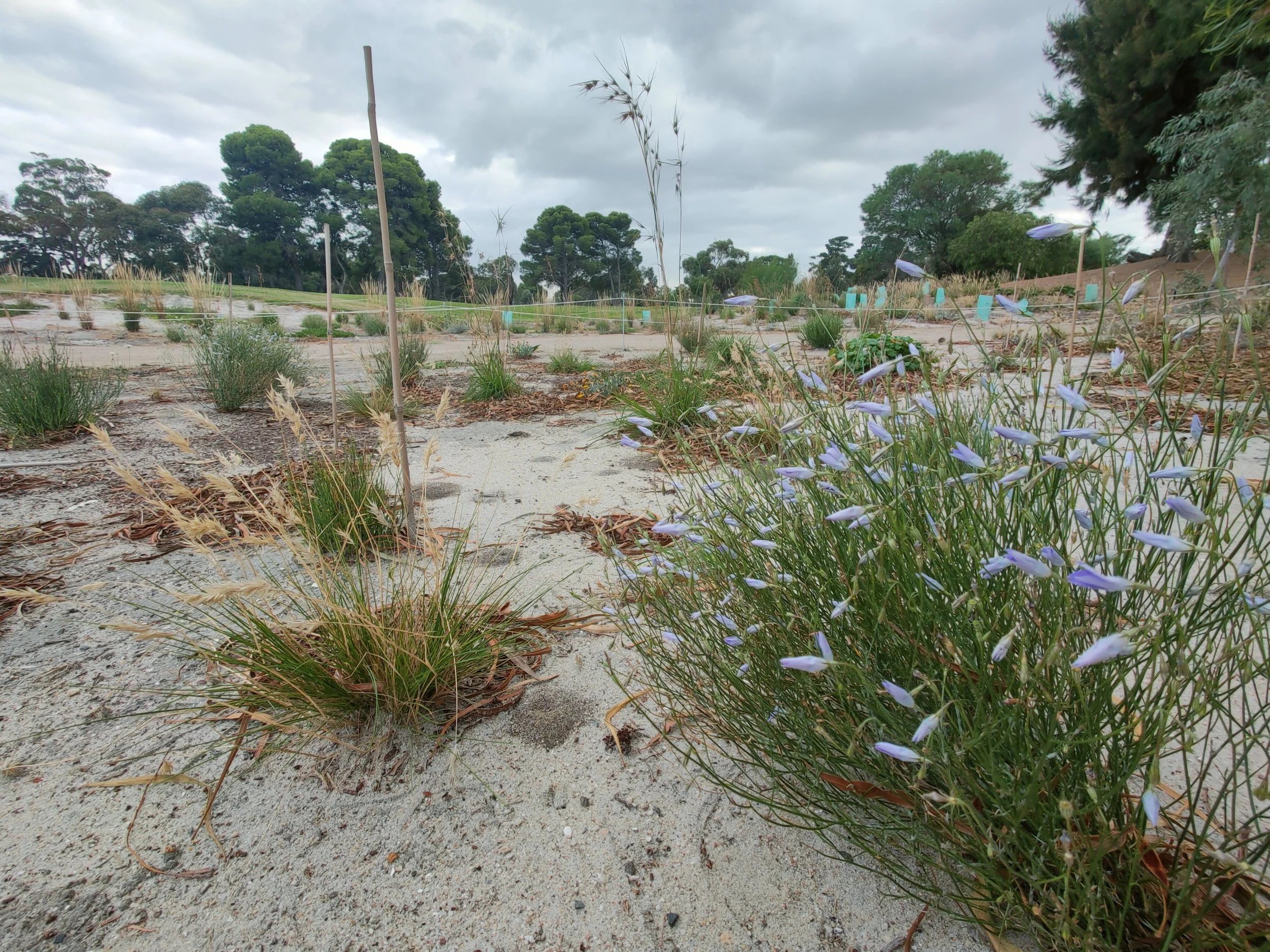
Clubs are restoring indigenous vegetation, reconnecting fragmented habitats and protecting native flora and fauna while enhancing the character of their courses.
Water security
Recycled water, stormwater harvesting, improved irrigation and landscape changes are helping clubs reduce demand and build resilience.
Climate resilience
Vegetation, tree canopy, wetlands and permeable landscapes are contributing to urban cooling, carbon storage and flood mitigation.
Sustainable agronomy
Improved turf selection, precision management and naturalised landscapes are reducing water, fertiliser and chemical inputs without compromising playing quality.
Collaboration
Partnerships with researchers, government agencies, Traditional Owners, environmental organisations and local communities are helping clubs deliver stronger and more enduring outcomes.
The strongest finding
The report’s most important finding is not that a small number of flagship clubs are undertaking exceptional projects.
It is that clubs of every size and type are independently arriving at similar solutions. No two courses have followed exactly the same path, but together they demonstrate the growing contribution golf can make to biodiversity conservation, water stewardship and climate resilience.
About the project
The report was compiled by Kate Torgersen of Environmental Golf Solutions and Monina Gilbey of Green Gecko Studios for The R&A’s Golf Course 2030 initiative.
Environmental Golf Solutions thanks every participating club for sharing its projects, results and lessons. Their contributions have created a valuable body of knowledge that other clubs can now learn from, adapt and build upon.
Turning the findings into action
Every golf course has different opportunities, constraints and priorities. Environmental Golf Solutions helps clubs identify practical, site-specific ways to strengthen vegetation, habitat and biodiversity without compromising playability.